Artificial intelligence is no longer limited to big tech companies. It is now present in everyday tools: messaging, management software, marketing platforms, writing assistants. Everyone is exposed to it. However, not everyone benefits from it equally.
Why? Because technology alone is not enough. What makes the difference is your teams' AI maturity: their ability to understand, adopt, and integrate AI into their real work. This often starts with solid digital foundations, beginning with the Search engine optimization for your website, the primary lever for visibility even before integrating AI into your processes.
Or, most organizations underestimate the road ahead. They deploy tools before they have prepared the women and men who must use them. Result: costly, underutilized tools, internal resistance, and half-hearted adoption.
In this article, we provide you with a clear method to assess where your teams are, identify roadblocks, and implement concrete progress with simple and accessible tools.
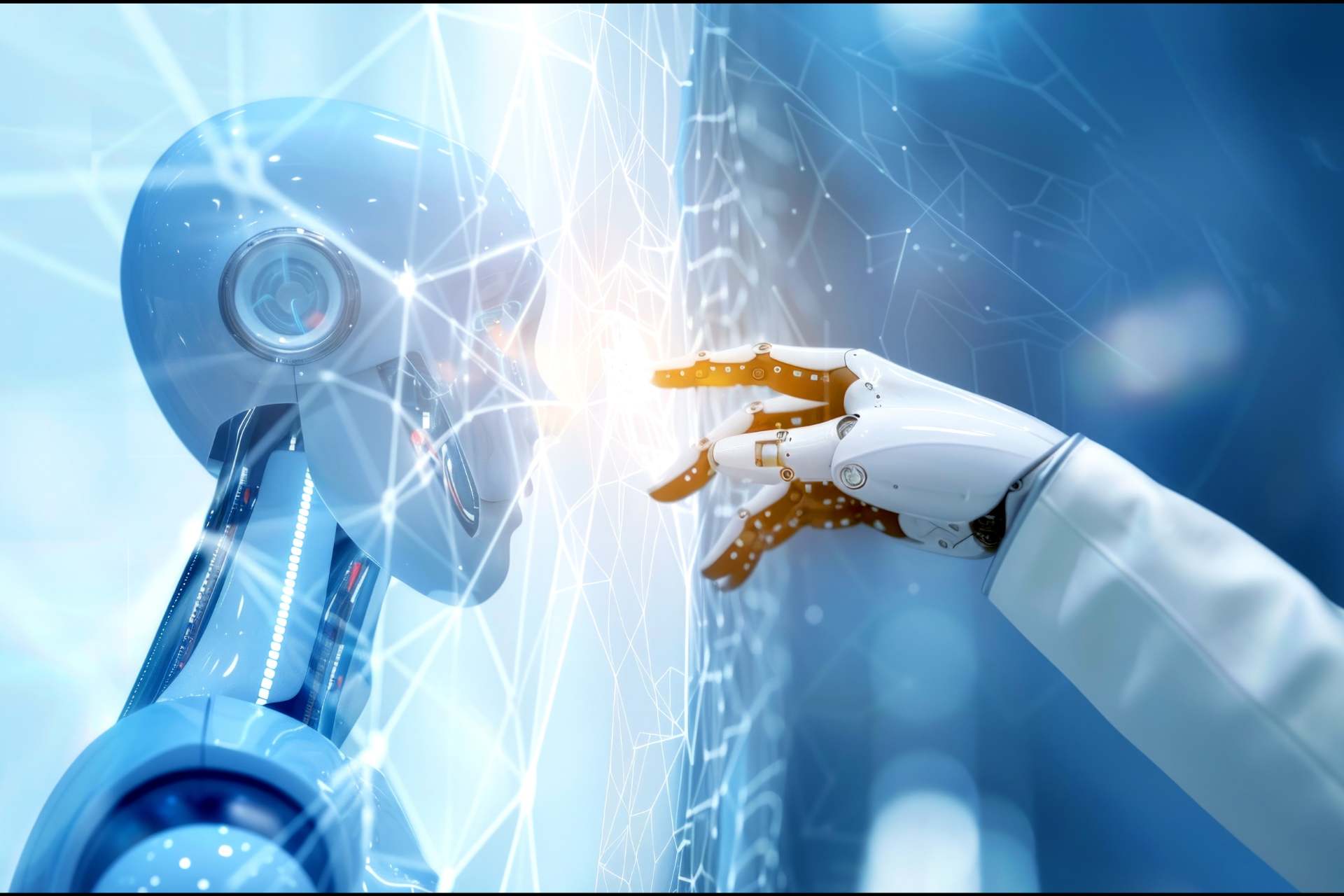
What is AI maturity, concretely?
AI maturity isn't about knowing how to code a machine learning model. It's about a team's or organization's ability to effectively, responsibly, and regularly use artificial intelligence within its business context.
It comes in three complementary dimensions:
- Technical maturity: Understand how AI tools work, know how to configure them, and use them effectively. This level primarily concerns tech profiles, but also any employee who uses AI tools daily.
- Usage maturity knowing how to integrate AI into daily tasks to increase efficiency. This includes knowing how to formulate good prompts, choose the right tool for the need, and verify the outputs produced.
- Cultural maturity: have an open posture towards AI, understand its limitations and ethical stakes, and be able to discuss it calmly without fantasy or rejection.
Most teams have a heterogeneous level across these three dimensions. This is normal. The goal is not uniformity, but to ensure that no one is left behind.
The 5 Levels of AI Maturity
To assess where your teams are, it's useful to have a benchmark.
Level 1: Ignorance
AI is not being used. Employees are unaware of what these tools can do for them, or they believe it doesn't concern them. There is no awareness yet of the potential impact on their jobs.
Level 2: Curiosity
Some collaborators experiment on their own, often in their personal time. The uses are isolated, unstructured, and rarely shared internally. This is generally where teams will be in 2024.
Level 3: Adoption
AI is regularly used for specific tasks. Employees have found their own methods, even though its use remains limited to a few cases. The value is perceived, but integration remains superficial.
Level 4: Integration
AI is integrated into business processes. It's part of work habits, documented in internal procedures, and teams collaborate on best practices.
Level 5: Transformation
AI is profoundly redefining how we work. Jobs are evolving, new roles are emerging, and organizations gain a clear competitive advantage from their mastery of AI. Very few companies are at that stage.

How to diagnose the maturity level of your teams?
Before training, you must evaluate. To evaluate, you must observe the right signals, not just ask «Are you using AI?», because the answers will be biased by fear of judgment.
Specific signs to look for:
- Do employees spontaneously mention AI in their conversations?
- Are there internal sharing of AI tips or tools among colleagues?
- Do the reports, emails, or documents produced show any traces of AI usage?
- Are there any training or tools requests related to AI coming from the field?
5-Step Mini Self-Diagnosis
You can submit this quick questionnaire to your teams to get an initial snapshot of their level:
- Do you use an AI tool at least once a week in your work? (Yes / No / Occasionally)
- I regularly use ChatGPT for various tasks such as answering questions, generating text, and brainstorming ideas.
- In the last 30 days, what tasks has AI saved you time on?
- What are your main reservations about using AI more at work?
- Have you ever shared an AI tip or use case with a colleague?
The answers to this questionnaire will allow you to quickly map levels by team, by business unit, or even by generational profile. Do not look for «right answers»: look for the truth on the ground.

A step-by-step roadmap to help your teams grow
Once the diagnosis is made, it's time for action. Here are the 4 phases of a successful AI skill development journey.
Phase 1: Awareness and Demystification
Before we begin training, let’s address people’s fears. AI sparks both positive and negative reactions: some see it as a threat to their jobs, while others view it as a silver bullet. Neither view is entirely accurate.
This phase involves short workshops (1 to 2 hours), live demonstrations of simple tools, and testimonials from employees already using AI effectively. The goal: to spark curiosity, not to impose.
Phase 2: Training in everyday tools
Training must be grounded in the actual work of each team. A salesperson does not have the same needs as an accountant or a project manager. Train by use case, not by tool.
- Write a professional email or customer response with AI
- Generate meeting minutes from notes
- Analyze a document or extract key information
- Create an initial presentation or report structure
Each employee should leave with at least one concrete application they can implement the very next day.
Phase 3: Integration into Business Processes
Training isn't enough if it remains theoretical. AI needs to be integrated into existing processes: internal templates, procedures, and tools already in use. It's at this stage that usage becomes sustainable.
Identify 2-3 key processes in each team and brainstorm together how AI can be integrated. Document best practices. Share them internally.
Phase 4: AI Autonomy and Sustainable Culture
The ultimate goal is for your teams to no longer need external support to progress. They experiment on their own, train each other, and bring up ideas for improvement.
To achieve this, establish some simple routines: a Slack channel dedicated to AI tips, a monthly update on new best practices, and designated «AI champions» in each team. Culture is built over time, not in a single day of training.
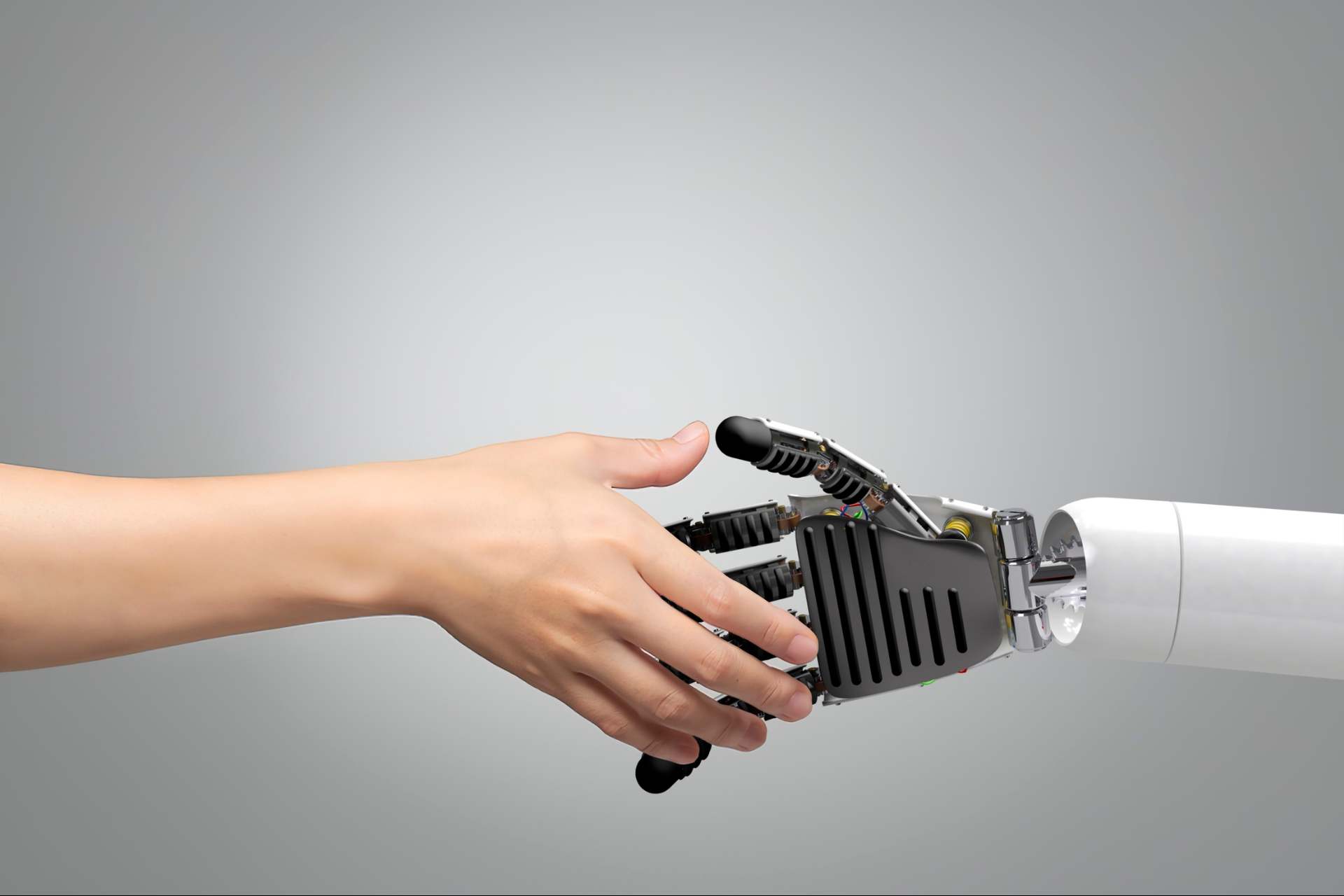
Simple tools for diagnosis and training
You don't need a colossal budget to equip your approach. Here's a selection of tools accessible to most organizations.
To diagnose
- Google Forms or Typeform to deploy your 5-question self-assessment to the entire team in minutes.
- Notion or Airtable to centralize and visualize results by team or by profile.
- Miro or FigJam to visually map maturity levels during a collective workshop.
To train
- ChatGPT, Claude, or Gemini: the three reference generative AI assistants to start practicing. Prioritize real-world exercises.
- LinkedIn Learning or Coursera: for structured training on AI applied to professions, with learning paths adapted to different levels.
- Synthesia or Loom: to create quick, shareable internal video tutorials for the whole team.
- Your own internal knowledge base (Notion, Confluence): document valid use cases, working prompts, approved tools. This is your most valuable long-term asset.
Conclusion
AI maturity isn't a destination. It's a continuous process, evolving at the pace of your organization's tools, uses, and needs.
What differentiates companies that progress from those that stagnate isn't the tech budget. It's the quality of the human support put in place around the tools.
Diagnose, raise awareness, train, integrate, sustain: every step counts. And each step builds on the previous one.
To structure this rise in maturity and implement a coherent strategy adapted to your organization, discover our approach on Flowr Agency.
Do you want to know where your teams are and where to start?
We can help you assess your teams' AI maturity and build your skill development plan.
FAQ
What is AI maturity?
AI maturity refers to the level of understanding, adoption, and integration of artificial intelligence within a team or organization. It doesn't just concern technical profiles; it affects all employees, regardless of their profession.
How to assess the AI maturity of your teams?
The simplest way is to deploy a 5-question self-assessment to your employees: usage frequency, tools used, concrete examples, reluctance, and internal sharing. The answers allow for a quick mapping of levels by team or job profile.
What are the 5 AI maturity levels?
The 5 levels are: Ignorance (no usage), Curiosity (isolated experiments), Adoption (regular use on certain tasks), Integration (AI is integrated into business processes), and Transformation (AI redefines ways of working across the organization).
How to train your teams in AI without a big budget?
There are accessible tools for every step: Google Forms or Typeform for diagnostics, ChatGPT or Claude for daily practice, LinkedIn Learning for structured training, and an internal knowledge base like Notion or Confluence to capitalize on validated uses.
How long does it take to achieve AI maturity?
It depends on the starting level and the regularity of the support. On average, an organization following a structured roadmap in 4 phases (awareness, training, integration, autonomy) begins to see lasting changes between 3 and 6 months.
Why is AI maturity important for businesses?
Because deploying AI tools without preparing the teams who must use them often leads to partial adoption. Technology alone is not enough; it's the human ability to leverage it that creates real value.
What's the difference between technical AI maturity and usage AI maturity?
Technical maturity is about understanding how AI tools work. Usage maturity is about the ability to effectively integrate them into daily tasks: knowing how to formulate good prompts, choosing the right tool, and verifying the results produced.




 Français
  English